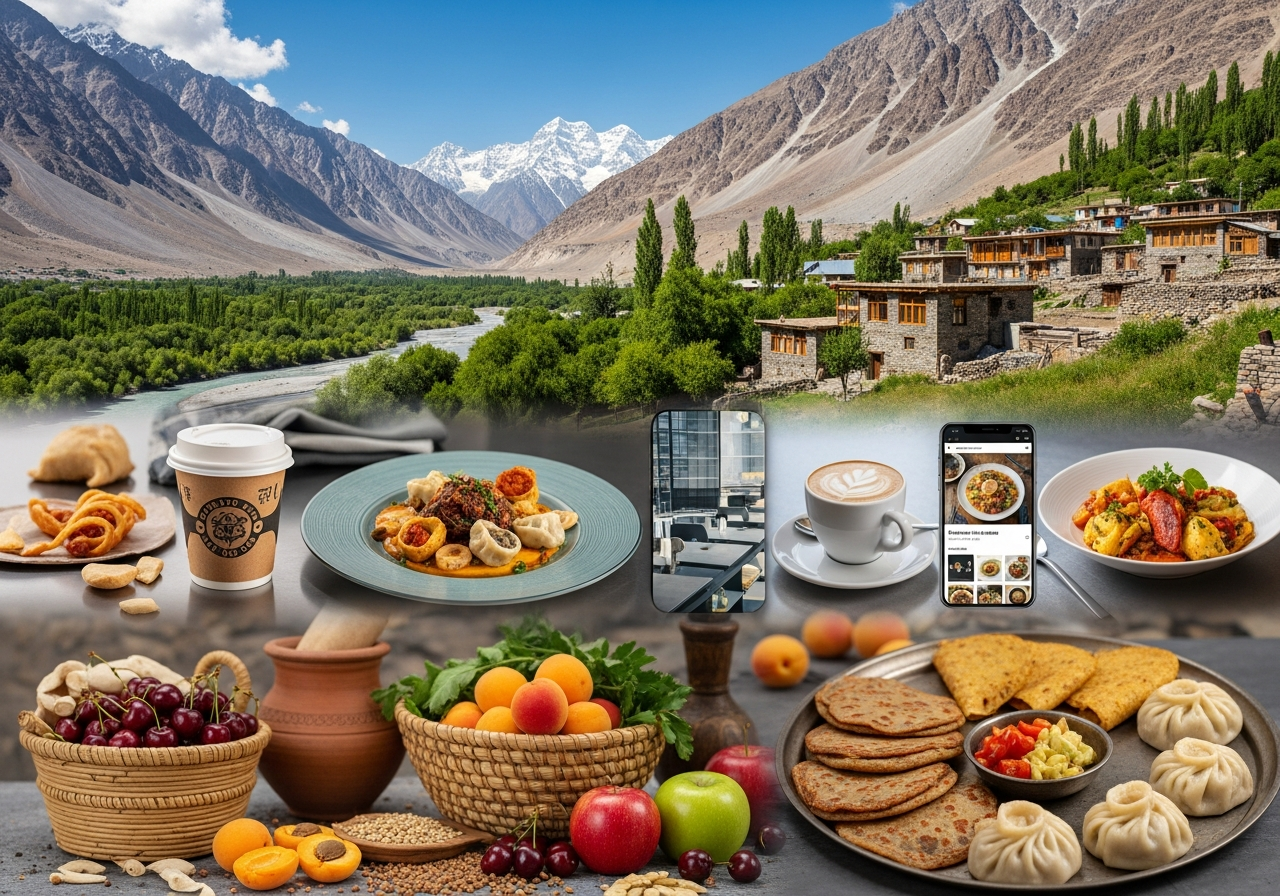
Gilgit Baltistan, the bustling heart of northern Pakistan, has long been synonymous with pristine, organic sustenance drawn straight from its dramatic valleys and high-altitude farms. Nestled amid the Karakoram peaks, this region’s food tradition reflects a deep symbiosis with nature, pure, unadulterated ingredients that nourished hardy communities through unforgiving winters and short summers. Yet, as modernisation accelerates through improved infrastructure and booming tourism, Gilgit’s culinary scene is undergoing a profound shift. From a nutritional standpoint, this means trading nutrient-rich, whole foods for calorie-dense processed alternatives, which can potentially exacerbate health vulnerabilities in an already food-insecure area. Culturally, it represents an erosion of heritage, where ancestral recipes and communal rituals risk fading amid the global influences. In this blog, my main focus is to explore these transformations, drawing on recent insights to highlight the stakes for Gilgit’s people.
The Nutritional and Cultural Bedrock: Gilgit’s Traditional Fare
Historically, Gilgit’s diet has been a model of nutritional efficiency, optimized for high-altitude life where oxygen is scarce and physical demands are high. Staples like barley, buckwheat, and wheat provide complex carbohydrates and fibre, essential for sustained energy and digestive health. Apricots, a local superfood, offer vitamins A and C, antioxidants, and healthy fats from their kernels, helping combat deficiencies in harsh climates. Dishes such as Chapshuro (a savoury meat pie) and Mamtu (steamed dumplings) incorporate lean goat or yak meat with foraged herbs, delivering balanced proteins without excess fat. Dairy from free-grazing livestock, like yoghurt and butter tea, adds probiotics and calories for warmth.
Culturally, food in Gilgit is more than fuel it’s a thread in the social fabric. Festivals like Nasalo in Bagrote Valley celebrate harvests with shared feasts, preserving age-old preservation techniques such as sun-drying apricots or fermenting vegetables for winter. Before electricity, communities relied on methods like burying butter in earthen pots for years-long storage, embodying resourcefulness and sustainability. These practices not only ensured food security but also reinforced community bonds and indigenous knowledge, passed down through oral traditions in Wakhi or Shina languages.
Nutritionally, this organic approach has shielded residents from many modern ailments. Low in refined sugars and additives, it aligns with the land’s mineral-rich soils, though challenges like iodine and selenium deficiencies persist due to environmental factors. Elders often credit such diets for longevity, with minimal processed interference maintaining metabolic balance.
Winds of Change: Modernization’s Influence on Gilgit’s Plate
Over the past decade, Gilgit’s food culture has pivoted dramatically, driven by tourism and connectivity. The Karakoram Highway’s upgrades have flooded markets with imported processed goods, sugary sodas, instant noodles, and refined snacks that cater to tourists craving familiarity. Overtourism, which has been escalating since the early 2020s, has spurred rapid urbanisation, leading to the proliferation of small businesses that serve visitors through lodging and eateries offering non-local fare. In areas like Hunza and Skardu, farmers are abandoning traditional agriculture for tourism-related income, reducing local organic production. This shift, while economically beneficial, contributes to GDP growth and jobs but also strains cultural heritage as global tastes dilute indigenous flavours.

Nutritionally, the influx of ultra-processed foods (UPFs) introduces high levels of added sugars, sodium, and trans fats, replacing nutrient-dense staples. In Gilgit-Baltistan, where food insecurity affects vast areas due to limited arable land, this compounds vulnerabilities. Contaminants like aflatoxins in poorly stored imports and heavy metals in soil and water further heighten risks, from cancer to neurological issues. Culturally, the convenience of packets erodes rituals; young people in urban Gilgit opt for quick bites over time-intensive preparations, weakening intergenerational ties and festival customs.
Health Ramifications: A Nutritional Time Bomb
The nutritional fallout is stark. Traditional diets, rich in fibre and micronutrients, promote gut health and prevent chronic conditions. In contrast, UPFs deliver “empty calories”, linked to obesity, type 2 diabetes, and cardiovascular diseases across Pakistan’s northern regions. In Gilgit-Baltistan, child stunting affects nearly 47% of under-five, with wasting at 12%, exacerbated by shifting to less nutritious options amid climate-driven shortages. Metabolic syndromes are rising, with UPFs contributing to insulin resistance and inflammatory diseases.
| Aspect | Traditional Diet Benefits | Modern Processed Diet Risks |
| Nutrient Density | High in vitamins, minerals, and antioxidants from apricots and grains | Low, leading to deficiencies like iodine/selenium |
| Metabolic Health | Supports weight management and low diabetes risk | Increases obesity and type 2 diabetes |
| Long-term Outcomes | Promotes longevity and resilience | Linked to 32+ diseases, including cancer and heart issues |
Culturally, this nutritional decline mirrors a broader identity crisis, as tourism’s economic pull prioritizes profit over purity, potentially homogenizing Gilgit’s unique plate.
Safeguarding the Legacy: Paths to Preservation
Amid these changes, hope lies in revival efforts. In 2025, bold chefs in Gilgit-Baltistan are reimagining mountain dining, blending traditions with modern twists at heritage sites like Altit Fort, where proceeds fund cultural preservation and local jobs. Initiatives promote sustainable sourcing, like seasonal stews such as Hoi Lo Garma from Hunza, which emphasise barley and preserved greens. Events like Lok Mela highlight the foods of Gilgit, fostering pride and markets for organic products. Culturally, restoring monuments and documenting recipes ties preservation to development, boosting tourism while safeguarding heritage.
Nutritionally, emphasizing local, unprocessed foods could mitigate risks, addressing deficiencies through fortified traditions. For Gilgit, balancing progress with purity isn’t just about health; it’s about honouring a culture forged in the mountains. As residents and visitors alike choose organic over packets, they invest in a resilient future where food remains a bridge to the past.
Nutrashine supports this vision by promoting the benefits of natural, fortified foods and the importance of local, sustainable practices. By encouraging communities to embrace nutrient-rich, traditional foods, the platform aids in preserving health while fostering a deeper connection to cultural heritage. Through such initiatives, our team Nutrashine.org empowers people to make informed choices for both personal well-being and the greater good of their environment.
By Tausif Ahmad
Leave a Reply